
Is It Safe to Study Abroad in 2026? A Ground Report for Indian Families
By: Teerthankar Guha (NCP Consultant)
Israel–Iran War Escalates as U.S. Joins Israel: What It Means for Study Abroad and Global Education (Today’s News Brief)
Dateline: March 2, 2026 — The Israel–Iran conflict has widened sharply, with the United States now openly participating alongside Israel in a campaign U.S. officials say is aimed at degrading Iran’s missile, naval, and broader military capabilities. In public briefings, Washington has framed the operation as decisive but time-bound, stressing it is “not” intended to become an “endless war,” even as officials warn of more casualties and continued strikes.
At the same time, reports indicate spillover across parts of the wider region—including disruptions to normal life and education systems in some Gulf locations—raising immediate concerns for international mobility, student safety, flight routes, and academic continuity
Why This Conflict Matters to Study Abroad: “When elephants fight, the grass suffers”
Study abroad runs on predictability: stable borders, reliable flights, functioning embassies, and calm public sentiment. A regional war—especially one pulling in a major power—adds friction at every step. Travel advisories and “worldwide caution” messaging tend to ripple into visa timelines, airline schedules, insurance policies, and parent decision-making.
And for many Indian families, the worry is not abstract. News reports have highlighted anxiety among Indian students in the region, and education providers have shifted learning online in places affected by heightened security conditions.

Impact Snapshot: Study Abroad Destinations (Europe, Australia, UAE, Canada, US)
1) Europe (UK, Germany, France, etc.)UK
Europe is not the battlefield, but it often feels the second-order effects:
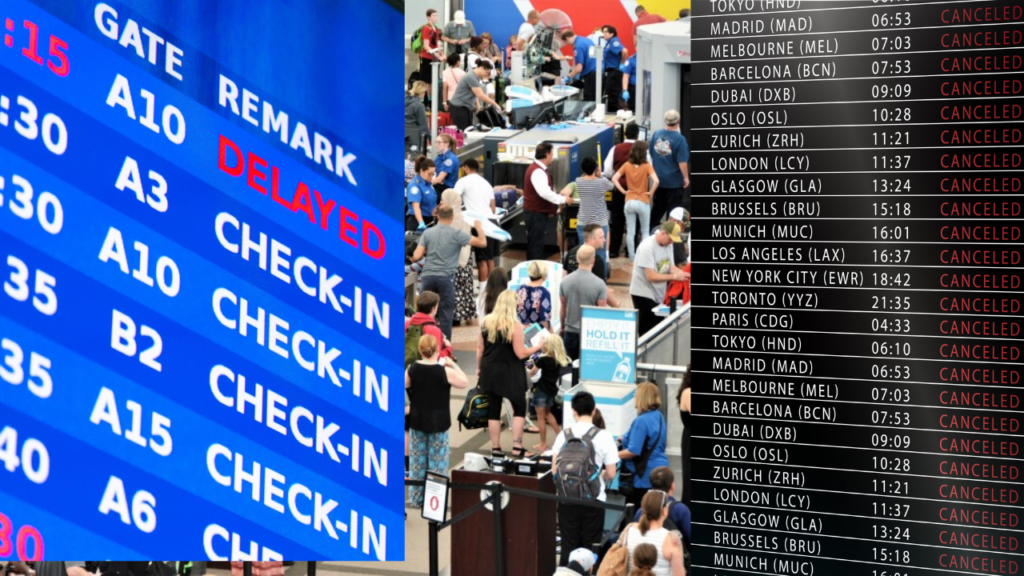
- Air-route disruptions on corridors that pass near conflict zones → delays/cancellations and higher fares.
- Security posture tightening at airports and public venues.
- Potential campus tensions and protests, which can affect student wellbeing.
Bottom line: Generally stable for academics, but travel and social climate may get “bumpier than a monsoon road.”
2) Australia (Aus. Impact)
Australia is geographically distant, so the direct security impact is usually limited. The main effects are:
- Flight cost increases and longer routes depending on aviation advisories.
- Family hesitation (decision delays) when global headlines stay hot.
Bottom line: Academics largely unaffected; logistics and budgets take the hit.
3) UAE (Dubai, Abu Dhabi and the wider Gulf corridor) Impact Disclosed
The Gulf is more sensitive because it can be directly affected by regional escalation. Recent reporting shows temporary shifts to distance learning and wider concern about disruptions.
- Possible short-notice online classes, restricted events, or altered campus operations.
- Flight hub volatility (especially if airlines reroute).
Bottom line: The UAE remains a major education hub, but in a prolonged regional conflict it can become a “front-row seat” for disruption.
4) Canada Canada Immigration
Canada tends to be a “safe-harbor choice” during global instability:
- Likely increase in demand from risk-averse families.
- Some visa and security screening delays if global security alerts rise.
Bottom line: Often benefits in demand, but processing queues can lengthen.
5) United States (U.S.)
Because the U.S. is a direct participant (per today’s reporting), two dynamics may appear:
- Heightened security environment (airports, events, scrutiny in processing).
- Perception risk: families may worry about broader fallout.
Bottom line: The U.S. remains a top destination, but “war headlines” can cool sentiment temporarily even if campuses remain operational.
Business Impact on the Study Abroad Industry: Profit or Negative?
Think of the sector like an airline: it can still fly in bad weather, but margins and moods change.
Where it can become profitable (Pros)
- Demand shifts to “safer” destinations (Canada, Australia, parts of Europe) can create new pipelines.
- More consulting need: risk assessment, travel planning, insurance, emergency planning, deferred intakes—families seek guidance.
- Growth in “Plan B” services: transfers, pathway programs, remote start/online start, and visa deferral strategy.
“In chaos, clarity sells.”
Where it turns negative (Cons)
- Decision paralysis: families delay applications; intakes can soften.
- Cost shocks: flights, forex volatility, insurance premiums.
- Operational strain: rebookings, refunds, urgent counseling, emergency coordination.
Net effect: In the short term, some destinations and agencies may see higher inquiries, but overall conversion rates can dip if uncertainty persists—“all that glitters is not gold” when families hesitate.
Global Education Impact: What changes if the war continues longer? Global Education War Connection
If escalation lasts weeks to months, global education may see:
- More “remote-first” starts (begin online, arrive later).
- Higher value on student support (mental health, safety, accommodation stability).
- Insurance + compliance tightening (universities and agents requiring stronger documentation and contingency plans).
- Enrollment redistribution toward countries perceived as stable.
Universities in affected regions have already shifted operations in response to airstrike-linked instability, showing how quickly campus routines can be disrupted.
Relevant quote (contextual): As officials insist this is not meant to become an “endless war,” the education world still plans for uncertainty—because students live in the “what if,” not the “what’s intended.”
Students Already Abroad: The Real-World Risk List (and what to do) (Indian Students)
For students currently studying overseas—especially in the Middle East travel corridor—the biggest risks are practical, not academic:
- Flight disruptions and sudden route changes
- Temporary campus closures / online moves
- Stress and social tension (community polarization, anxiety spikes)
- Embassy workload surges (slower services)
Practical safety checklist (keep it simple):
- Keep passport/visa copies (digital + printed).
- Register with your embassy/consulate advisories.
- Maintain 2–3 route options for travel (hub alternatives).
- Share live location + emergency contacts with family.
- If campuses shift online, confirm attendance/assessment rules immediately.